3. CREATINE AND SURGERY: The Nutritional Case for Peri-Operative Support
Introduction: Why Creatine Matters Now
Surgery creates a perfect metabolic storm. Your body
experiences profound physical stress,
energy demand spikes,
muscle loss accelerates,
and sleep becomes fragmented.
Meanwhile, mood often dips and cognitive fog sets in.
For the past two decades, creatine supplementation has been studied primarily for athletic performance. But emerging evidence suggests it may be one of the most underutilised tools for surgical recovery — not because it's a magic bullet, but because it addresses the exact metabolic and neurological challenges surgery presents.
This blog explores why creatine deserves a place in your perioperative nutrition strategy.
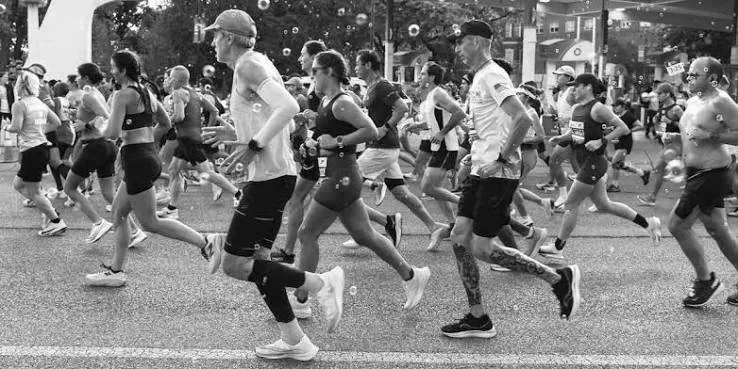
Surgery is like training for a marathon - you need to prepare to avoid injuries and to get your personal best.
The Metabolic Stress Parallel: Why Surgery is "Hypoxic Exercise"
Surgery triggers metabolic stress similar to extreme physical exertion — your tissues demand energy, oxygen availability drops, and your central nervous system (brain and spinal cord) faces significant metabolic challenge. Recovery demands peak performance from both your muscles and your mind.
Creatine works by increasing phosphocreatine (PCr) availability in cells — essentially creating a rapid-access energy reserve. When your system is under the stress of surgery, this energy buffer becomes particularly valuable.
Research shows creatine's cognitive and mood effects are strongest under exactly the conditions surgery creates: metabolic stress, sleep deprivation, and hypoxia (reduced oxygen). This isn't coincidental—your brain becomes more dependent on efficient energy production when stressed, and creatine helps deliver that.
The practical implication: Starting creatine 4-6weeks before surgery allows it to accumulate in your system, priming your cells with this energy reserve at the moment you need it most. You will be advised by your surgical team to stop 7-14days before your surgery.
Three Core Benefits for Surgical Recovery
Important: There are no randomised controlled trials (RCTs) specifically examining creatine in surgical patients yet.
Think of creatine as a reasonable, evidence-informed option—not a guaranteed fix. It fits the biology of what surgery does to your system, and the individual components are supported. But personalized outcomes depend on your specific surgery, health status, and individual response.
1. Muscle Preservation During Prehabilitation
Pre-operative exercise (prehabilitation) is proven to improve surgical outcomes. But exercise demands energy—and perioperative patients often have compromised nutritional reserves and reduced appetite.
Creatine increases energy efficiency during muscle training, meaning your physiotherapy work translates to more muscle preservation with less metabolic cost. For patients who are weak, older, or nutritionally depleted before surgery, this is meaningful.
Post-operatively, creatine may compensate for disrupted creatine metabolism (surgery alters how your body processes and stores creatine), particularly in the critical first few days when you're immobilised and losing muscle rapidly.
Target: 3-5g creatine monohydrate daily
---
2. Cognitive Recovery and Mood Stability
Post-surgical cognitive dysfunction ("brain fog") and depressive symptoms are common and distressing. They're also modifiable.
Creatine supplementation has shown:
- Rapid mood effects: Antidepressant benefits within 2 weeks, with enhanced efficacy alongside SSRIs
- Cognitive support: Improved focus, reduced mental fatigue, and better information processing under stress
- Real-world outcomes: One case study documented a 33% reduction in depression scores alongside 30% improvement in quality-of-life measures post-operatively
This isn't separate from the nutritional benefit—it's part of it. Your brain is metabolically expensive (it consumes ~20% of your body's energy despite being ~2% of body weight). Under surgical stress, cognitive function suffers when energy is depleted. Creatine supports energy availability.
Why this matters perioperatively: Patients entering surgery with baseline anxiety or depressive symptoms experience poorer outcomes—more pain, slower healing, worse quality of life. Even modest improvements in mood and cognitive function can shift the entire recovery trajectory.
---
3. Sleep Quality and Fatigue Reduction
Sleep is non-negotiable for surgical recovery. Yet many patients report poor sleep before surgery (anxiety-driven) and fragmented sleep after (pain, disruption, medications).
Creatine supplementation has been shown to improve sleep quality compared to placebo, with patients reporting earlier sleep onset and better rest.
Better sleep → reduced pain sensitivity, faster immune recovery, improved wound healing.
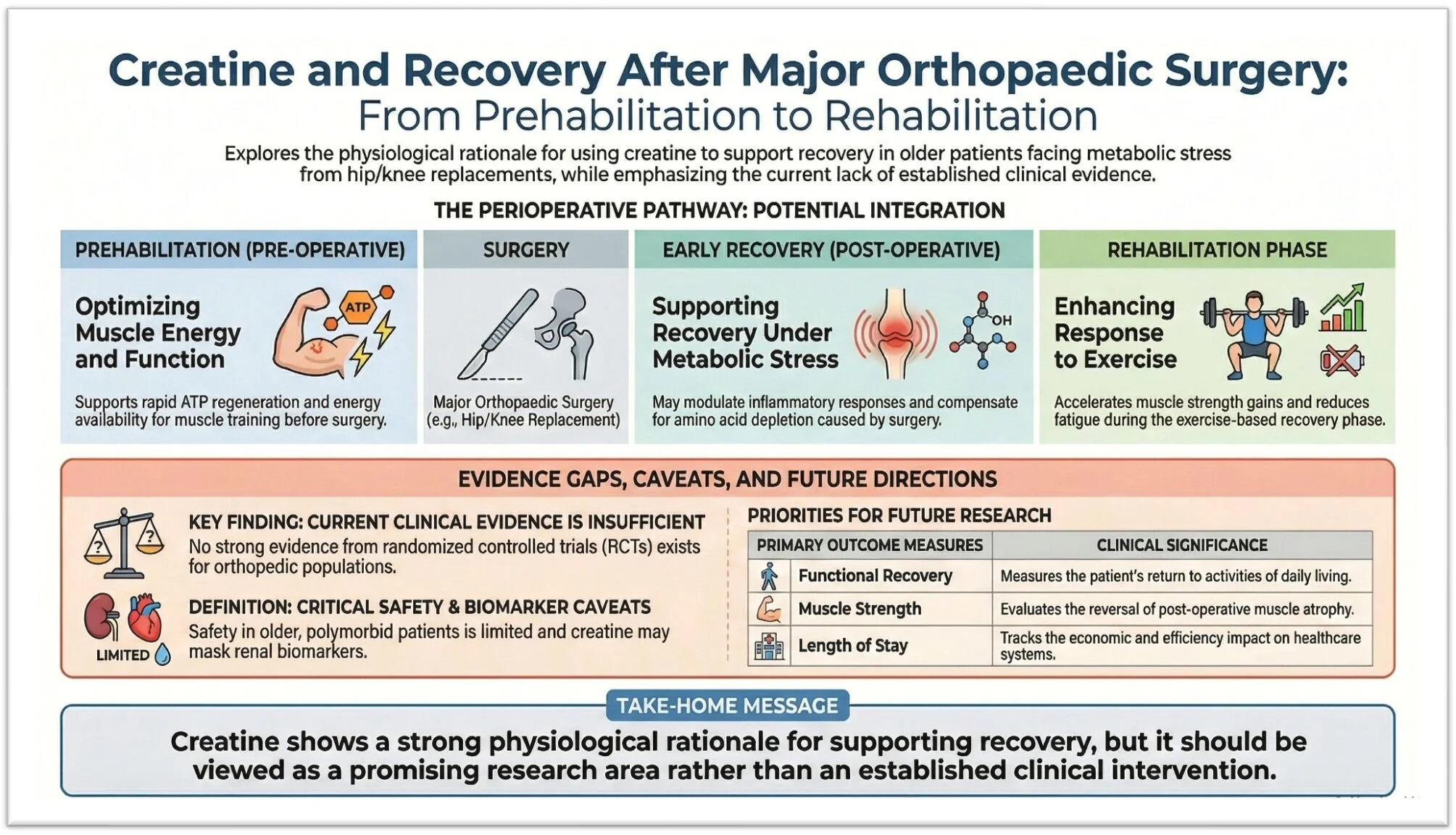
Briguglio et al (2026) Creatine for recovery after major orthopaedic surgery: from nutritional prehabilitation to post-operative rehabilitation of at-risk patients, The Journal of Nutritional Physiology,100022, ISSN 3050-6247,
Practical Dosing: How to Use Creatine Perioperatively
Pre-Operative (start at least 4-6weeks before surgery & stop 1-2weeks before)
Dose: 3-5g creatine monohydrate daily
Form: Powder mixed in water, juice, or stirred into yoghurt/smoothies
Timing: Ideally split into 2-3 doses throughout the day (better absorption)
Why start early? Creatine accumulates in your system. Starting 1-2 weeks before allows sufficient loading so your muscles and brain have peak levels at surgery.
Food sources (optional addition): Red meat and fish contain creatine naturally, but supplementation is more reliable for reaching therapeutic doses.
Post-Operative (Days 1-8 weeks)
Days 1-3:
- If tolerating oral intake: Continue creatine at 3-5g daily
- If not tolerating: Pause and restart when eating resumes (usually by day 2-3)
Weeks 1-4:
- Continue 3-5g daily
- Pair with adequate protein (1.5-2.0g/kg body weight daily) for maximal muscle-sparing effect
Weeks 4-8:
- Gradually reduce to 2-3g daily if desired, or continue at 3-5g
- No upper time limit on creatine use—it's safe long-term
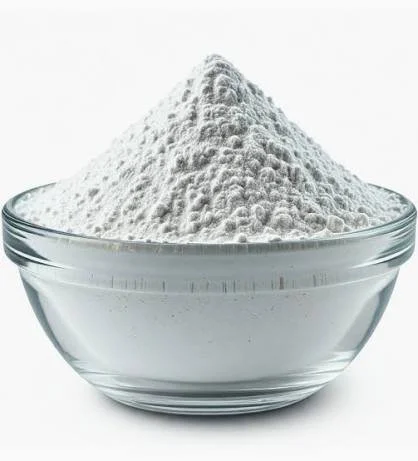
Creatine comes as a powder form, and can be added to drinks.
Quality and Safety: What You Need to Know
Who Should Avoid Creatine?
- Kidney disease or renal impairment: Creatine is processed by the kidneys. Perioperative stress can transiently reduce kidney function. If you have baseline renal compromise, discuss with your surgical team first.
- Severe dehydration: Creatine works best with adequate hydration. Ensure you're drinking enough water.
- On certain medications: Some medications interact with creatine metabolism. Always mention it to your GP and surgical team.
Quality Matters
- Buy from reputable suppliers (third-party tested: NSF, Informed Choice)
- Creatine monohydrate is most researched and cost-effective form
- Avoid "creatine loading" protocols (5g x4 daily for 5-7 days) — evidence doesn't support superiority, and steady dosing is simpler
- Store in cool, dry place (avoid humidity)
Cost
Creatine monohydrate is inexpensive: £10-20 for a 3-month supply. Good value for the evidence base.
Your recovery is a project worth supporting well.
---
⚠️ MEDICAL DISCLAIMER
This blog is educational. It is not medical advice. Always consult your GP and surgical team before starting any supplementation, especially creatine if you have kidney disease, take medications, or have other health conditions. Individual needs vary. Your surgical team will provide specific guidance for your situation.
---
Ellard Health: Evidence-Based Nutrition for Surgical Recovery
